History of Legazpi City
A TIMELINE OF IMPORTANT EVENTS AND MILESTONES
Did you know that Legazpi was declared a city three times in its history and is one of four Philippine cities opened to world trade by Royal Decree in the mid-1800s? Legazpi was named after Miguel López de Legazpi, the Spanish conquistador who conquered the Philippine islands in 1565, and whose family name came from Legazpi, a town in Guipuzcoa, Spain. Get to know more about the history of our city!
10,000–4,500 BC
Ancient inhabitants of the area now called Albay practiced rice cultivation, made gold jewelry, used tools made of stone or shell, had ancient burial jars and pottery. The Mataas shell scoop (in photo) found in Cagraray Island dates back to the Late Neolithic period (12,000 years ago). It has been declared a National Cultural Treasure by the National Museum
900–1521
A rare glimpse of prehispanic Albay is offered in the narrative of Ignacio Alcina, a Jesuit priest who was assigned in the parishes of Samar during the 17th century. His unpublished 1668 Historia de las islas e indios de Bisayas includes a story he heard from the son of a datu (chieftain) of Lawan Island in Eastern Samar.
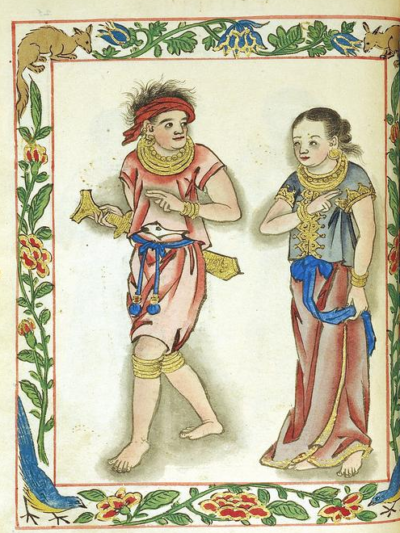
Visayan Datu and his wife. Illustration from the 1590 manuscript known as Boxer Codex
The story is said to have taken place shortly before the coming of the Spaniards and was still fresh in the memory of the island’s natives during Alcina’s time. It tells of Dumaraug, a datu of Albay, “where the famous volcano is situated and so well-known for its great height.”
The lovestruck chieftain sought the hand of the Lady Bingi of Lawan, with whom he fell in love simply by hearing reports of her exquisite beauty. Bingi, however, was already married to Datu Karagrag. But the undaunted Dumaraug made his purpose known to her husband, offering his friendship and protection in exchange.
It should be noted that Dumaraug, whose name means “conqueror,” was considered a superior ruler, fitting out some hundred vessels to sail for Lawan and win Bingi. But the latter was insistent on her faithfulness.
Alcina’s narrative makes it apparent that before the arrival of the Spaniards, Albay was already a recognized power in the eastern sea, particularly around the important passageway of San Bernardino Strait. Its ruler was capable of commanding a relatively large fleet and offering protection to the natives of the area.
Although the story was in the perspective of Lawan and reported by Alcina as an exemplary for the Christian virtue of fidelity, it is Dumaraug who undeniably takes on the role of a pre-hispanic epic hero in the mold of the Hinilawod’s Labaw Donggon.
Dumaraug’s wealth and command of military resources and especially his passion and daring were the virtues extolled in his day. To his contemporaries, Dumaraug could be justly celebrated as a susumanon na datu, “a datu worthy of epic songs”.
July 1569
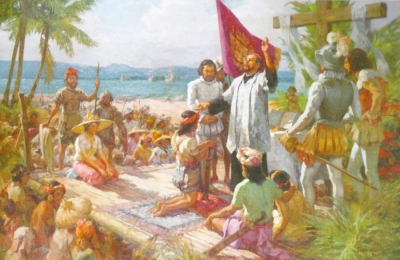
‘The First Baptism’ by Fernando Amorsolo, Undated (ca. 1955-1960), Oil on canvas, Ayala Museum Collection
The Spaniards set foot in Bikol. This is their first land fall in Luzon. A group headed by Captain Luis Enriquez de Guzman and Fray Alonso de Jimenez, an Agustinian friar, chanced on Masbate, Ticao, Burias and Sorsogon.
They went upstream of a great river at the mainland, off an island and reached a place called Gibalong. They called the mainland Tierra de Ibalon, as they celebrated the first mass in Gibalong, now a part of Siuton in Magallanes, Sorsogon. The continued their trek inland until they reached the town of Camalig.
Historically therefore, it can be said that the Spanish explorers made their first land-fall in Luzon in the Bikol peninsula and the Bikolanos were the first people in the island of Luzon to accept the new Christian religion.
July 1573

Juan de Salcedo
Juan de Salcedo led an expedition from Manila, with 120 soldiers. He raided Paracale and from there, sailed the Bicol River until they reached Lake Bato, pillaging the towns and villages along the way. Salcedo ordered the establishment of a Spanish villa near the lake of Libon calling it Villa Santiago de Libong. Named after St. James the Apostle, famous in the 16th century Spain as Santiago de Matamorosa (James the Moro slayer), this camp served as the conquistadores’ military base to guard the Bikol river area. Libong became the first Spanish settlement in Bikol.
In an encomienda list dated April 3, 1574, a number of villages in Camarines (present-day Camalig) were assigned by then Governor ad interim Guido de Lavezares to a certain Juan Guerra. One of them is baybayo, which should be taken to mean baybayon or “walkway in the seashore.” This place would later be called “Baybay”, then “Al Baybay” and later shortened to “Albay.”
Fray Francisco de Sta Ana, OFM, built a chapel made of wood in a settlement by the sea called Sawangan. The parish came to be known as ‘Misión de San Gregorio Magno de Sawangan’. The fishing village would later grow into a large settlement called Binanuahan.
February 1, 1814
The most violent eruption of Mayon Volcano ruined Sawangan with half of its population decimated. The survivors relocated elsewhere but eventually returned to Sawangan. At that time, a new settlement was set up in Taytay (now Albay District) by their companions who did not want to go back to Sawangan. Those who settled in Taytay took with them St. Gregory the Great as their patron saint. Those who went back to Sawangan had to start anew, begin as a barrio, build a new chapel and find a new patron, St. Raphael the Archangel.
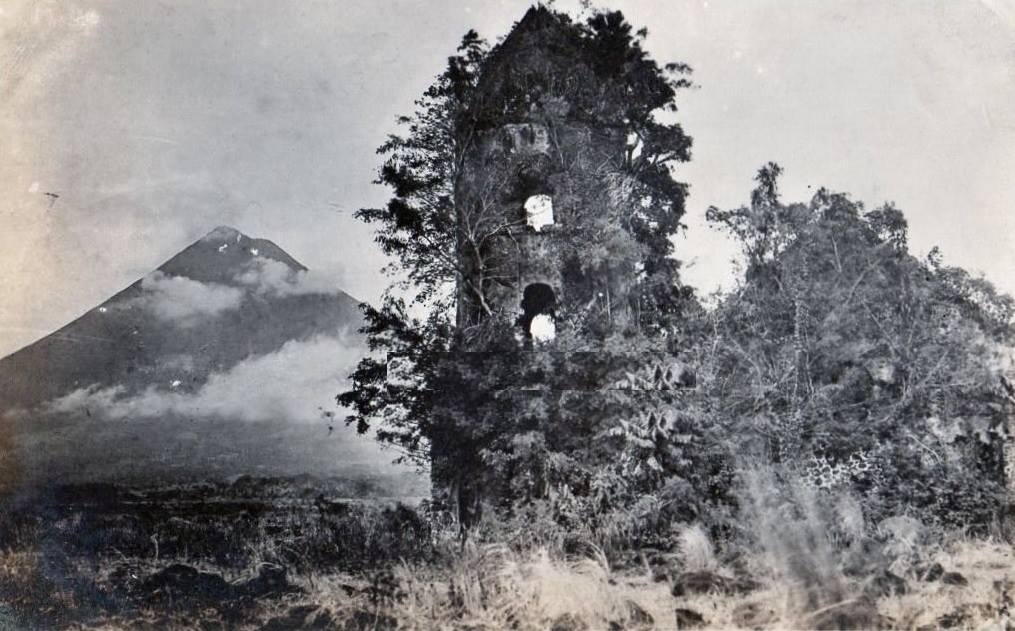
The ruins of the church of Cagsawa, destroyed by pyroclastic flows during the eruption of Mt. Mayon on February 1, 1814
Jose Maria Peñaranda, a military engineer, was made “corregidor” of the province. He constructed public buildings and built roads and bridges. Peñaranda served as the first governor of Albay until 1843. A monument to him stands in a plaza bearing his name in front of the Provincial Capitol.
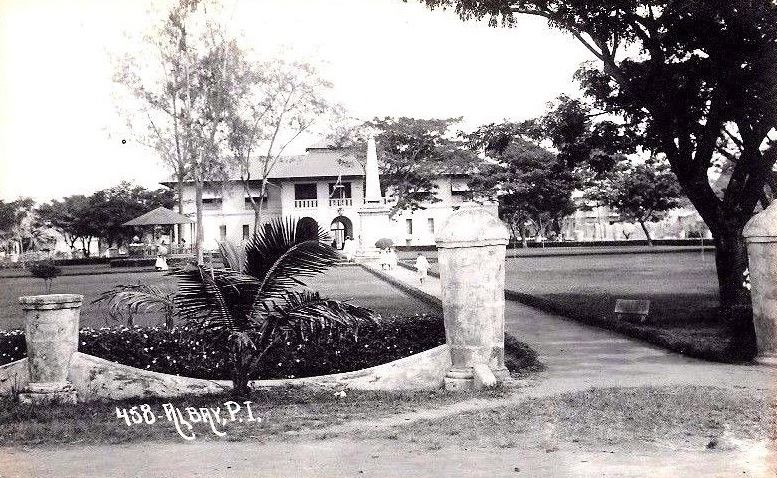
Park and monument dedicated to Jose Ma. Peñaranda, the first governor of Albay. Circa 1910
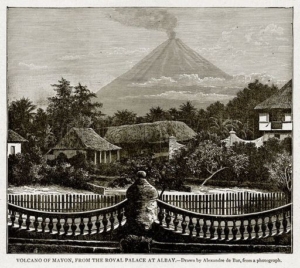
“Volcano of Mayon, from the Royal Palace at Albay.”
Illustration from ‘With the World’s People’ by John Clark Ridpath, 1912
1856
On September 22, 1856, through Royal Decree, the name Legazpi was officially adopted and the settlement was expanded to include the visitas of Lamba, Rawis and Bigaa. The newly expanded and independent town of Legazpi was officially inaugurated on October 23, 1856.
Legazpi was made a port of entry by a Royal Decree earlier issued in Madrid on May 18, 1872 and later promulgated by Governor Juan Alamenos y de Vivar on December 3, 1874.

Vista del perfecto cono volcánico del Mayón (Filipinas)
Grabado inserto en “El Mayón o volcán de Albay”, de Enrique Abella Casariego
(Bol. de la Comisión del Mapa Geol. , XI, 1884)
Legazpi first became a city under the Becerra Law of 1892. It constituted the municipalities of Legazpi, Albay Nuevo, and Daraga into the Ayuntamiento de Albay. The first set of officials — Alcalde, Teniente de Alcalde, Sindico, Secretario and Regidores (councilor) — took office in 1898.
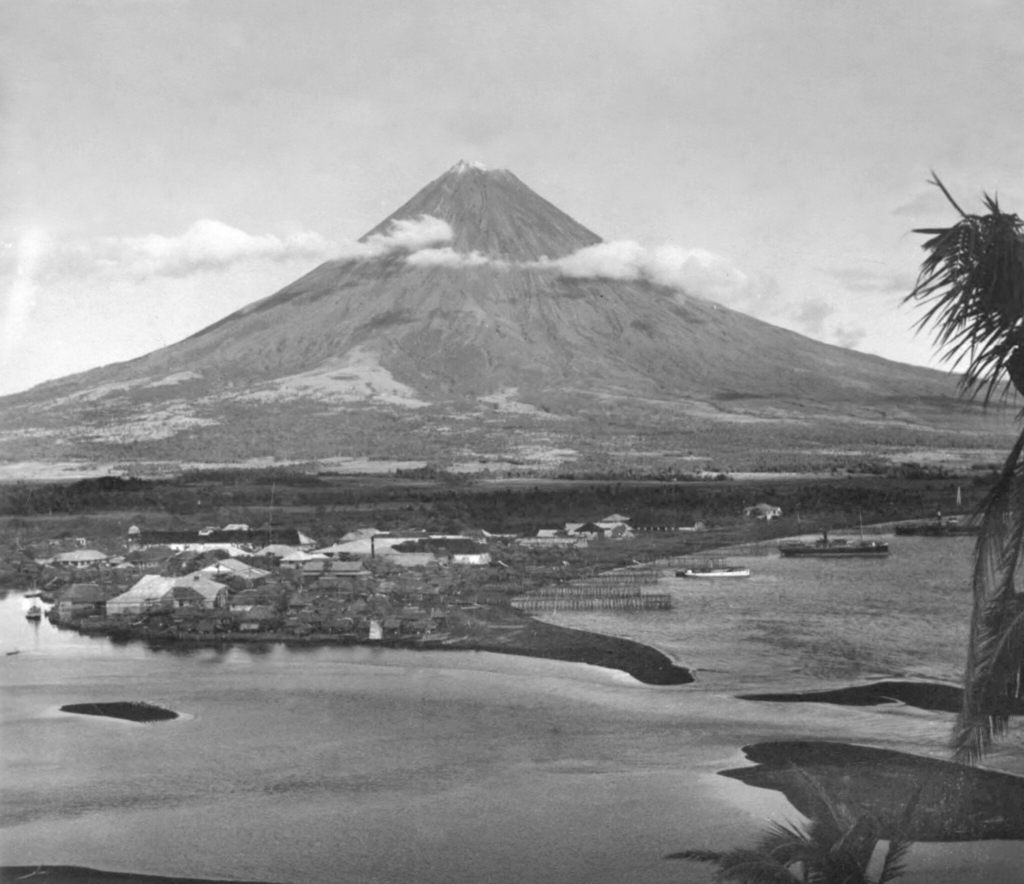
Mayon Volcano and Town of Legaspi, Southeastern Luzon Island, Philippines, early 20th Century, Keystone View Company
During the Philippine revolution, the provisional revolutionary government of Albay was formed with Anacieto Solano as provisional president. Major General Vito Belarmino, the appointed military commander, reorganized the Filipino Army in the province.
The Treaty of Paris was signed by Spain and the United States, with Spain ceding the Philippines, Puerto Rico, Cuba, and Guam to the United States.
The Philippine-American War began after the First Philippine Republic objected to the terms of the Treaty of Paris.
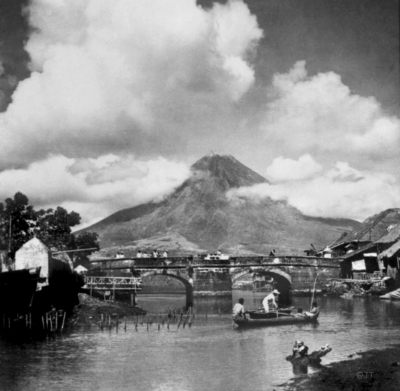
Old Puente San Rafael, the site of the Battle of Legazpi. Photo courtesy of John Tewell
American forces composed of three infantry companies equipped with powerful rifles and cannon landed on the shores of Albay Gulf to conquer Legazpi. They were met by 800 revolutionary Filipino troops headed by General Jose Ignacio Paua, Col. Antero Reyes, Captain Alvaro Nepomuceno, and Policarpio Pergone who put up a strong defense of the city.
The American troops, headed by Brig. Gen. W.A. Kobbe encountered heavy resistance from the Filipino forces who gallantly engaged them in a bloody fight on San Rafael Bridge.
To commemorate the valiant efforts of the revolutionary troops, a monument was built on the site of the former San Rafael Bridge.
April 26, 1901
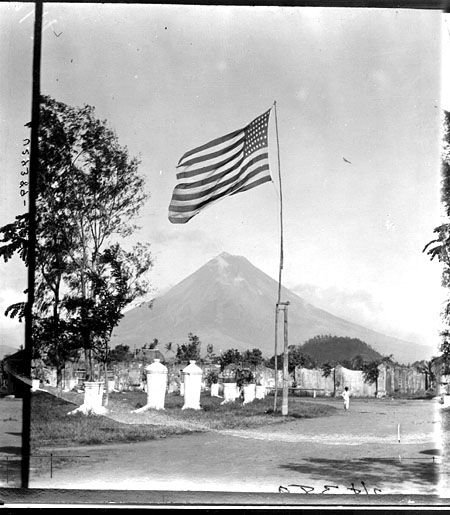
Regan Barracks, a former United States Army Reservation (present-day Camp Simeon Ola), circa 1900s
Americans establish civil government in Albay. Under the American rule, Albay experienced peace and sustained economic progress.
The vibrant economic atmosphere attracted new business from Manila such as the Pacific Commercial Co., the Philippine-American Drug Co., which ran the Botica Boie. Transnational gas and fuel suppliers came, such as the Texaco and Shell. Foreign entrepreneurs were everywhere.
The warehouse of the Chinese Qua Chee Gan was one of the largest exporters of abaca and copra. Most notable also were the commercial warehouses of the Tabacaleria Zuluaga y Erquiaga along the waterfront. The British-American traders Smith Bell and McLeod remained. The streets of Legazpi were bustling with bazaars and business establishments. The El Barato, owned by Mexican Julian Ortiz and the Gutierrez Hermanos were selling a wide array of groceries, vintage wines, chocolates, and European delicacies.
The Venetian Café and Bakery was offering the best pastries including the very popular Napoleon. Hardware, automotive parts and tools could be bought in the Greek stores at Stilianopolus. Personal apparel and perfumes were available in Singh Bazaar. Haberdashery such as wool, men’s clothing, linen and footwear were available at Bazaar Nstra Sra de Lourdes owned by Hatim Cafure.
The Bazaar El Mayon, owned by Juan Arias offered high class skirts made of silk, batistas, cefra y percales and velus bordados. Medicines were available at Farmacia Filipina owned by Severo Thomas. Household items were available at Almacen Americana owned by M. I. Pert. The El Bazar Oriental owned by Theo Mathewsdakis sold clothing as well as maquina de escribir, or typewriter.
Legazpi Port, together with Albay District and Daraga became one “Municipality of Albay”, the provincial capital.
July 12, 1912
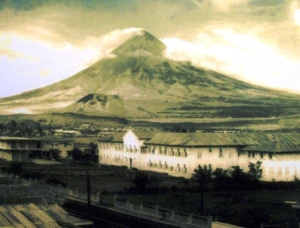
Academia de Sta. Ines
Academia de Sta. Ines (now St. Agnes Academy), was founded by the Missionary Benedictine Sisters. It is the oldest Catholic school in Albay. In its early history, the school was an all-girls school but in the 1980s, it was opened to male students.
Daraga regains its autonomy when the Philippine Assembly ordered the partition of Daraga from Albay, composed of Albay and Legazpi City.
1941
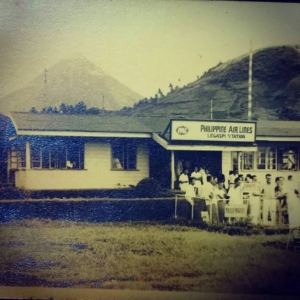
Old Legazpi Airport Terminal
The first PAL flight took off from Nielson Airport on March 13, 1941. The destination was Baguio. That same year, services were started to Legaspi, Daet, Naga, Masbate, Tacloban and Cebu. Legazpi Airport will eventually become the busiest airport in the region.
December 12, 1941
A detachment with 2,500 men from the Imperial Japanese Army 16th Division led by Maj.Gen. Naoki Kimura, with the Infantry Group HQ, 33rd Infantry Regiment and a battery from the 22nd Field Artillery landed in Legazpi without opposition as the nearest American forces were over 240 kilometers away.
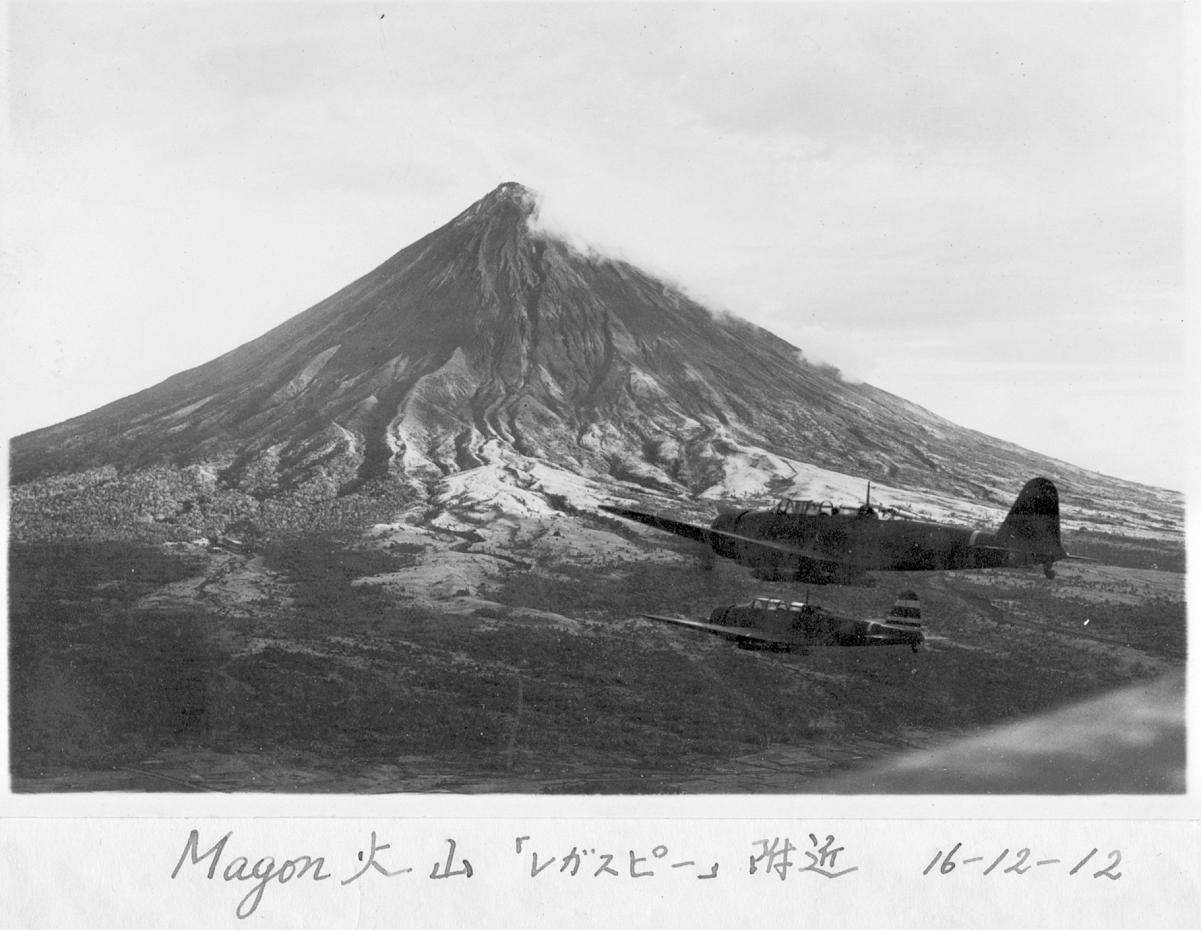
On December 12, 1941, at the foot of the Mayon Volcano, Type 97 Carrier Attack Bombers (B5N1) “Kate” from the aircraft carrier Ryujo sprang forth its attack on Legaspi, southeastern part of Luzon. It is said that leading from the front and commanding the pack was Captain Masayuki Yamagami.
April 1, 1945
The 158th Infantry Regimental Combat team of the US 6th Army command led by Brig. General Hanford Macnider and Captain Hoomer Mcgee landed in Legaspi Gulf on the shore of Barangay Rawis in this city. Macnider, with Filipino guerrilla fighters led by Lt. Col. Demetrio Camua, defeated the Japanese forces giving the victorious allies easy access to San Bernardino Strait, the gateway to the Visayas. Unfortunately, during the ensuing battles, many buildings were destroyed including the old St. Raphael Church and the Academia de Sta. Ines.
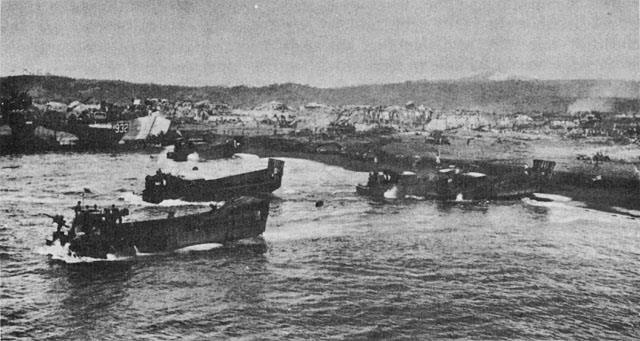
Landing of the Allied American Forces in Legazpi City, which led to the City’s liberation from the Japanese occupation forces.
Legazpi Junior Colleges, the forerunner of University of Sto. Tomas-Legazpi (formerly Aquinas University of Legazpi) was established by Don Buenaventura de Erquiaga
Legazpi became a City for the second time. Daraga and Legazpi were re-combined to constitute its territory under R.A. No. 306.
The City was dissolved for the second time with the re-creation of Legazpi and Daraga into municipalities.
Legazpi became a City for a third time with the new charter under Republic Act No. 2234. The first city mayor under the new charter was Ramon Arnaldo.
Secretary of Education, Hon. Carlos P. Romulo, elevated the Legazpi Colleges to the status of a University. It was renamed Aquinas University of Legazpi (now known as University of Sto. Tomas-Legazpi)
June 21, 1969
 By virtue of Republic Act 5521, six existing educational institutions were integrated to create the Bicol University, the region’s premier state university. Bicol Teachers College (BTC) with its Laboratory School in Daraga, Albay, now the BU College of Education (BUCE) with its Integrated Laboratory School (ILS). Daraga East Central School (DECS) also in Daraga, Albay, initially renamed as Bicol University Pilot Elementary School (BUPES), now integrated with the BUCE-ILS as its Elementary Department. Albay High School in Legazpi City, now the BUCE-ILS High School Department.
Bicol Regional School for Arts and Trades (BRSAT) in Legazpi City, converted from the Albay Trade School by virtue of Republic Act 1129[8] on June 16, 1954, now the College of Industrial Technology and the College of Engineering. Roxas Memorial Agricultural School (RMAS) in Guinobatan, Albay, which became the College of Agriculture, now renamed as the College of Agriculture and Forestry. School of Fisheries in Tabaco, Albay, turned into the College of Fisheries, now the Bicol University Tabaco Campus.
Pres. Marcos enacted Presidential Decree No. 1, which organized the provinces into 11 regions. Legazpi City is declared as Regional Administrative Center for the Bicol Region.
Presidential Decree No. 125 issued by Pres. Marcos declared that the municipality of Daraga be incorporated into Legazpi City . Under the decree, Legazpi is to be divided into three districts: Daraga, Albay, and Legazpi Port districts.
Pope John Paul II visited Legazpi during his first apostolic journey to the Philippines. The pope celebrated the Mass on a stage shaped like a “salakot,” the conical wide-brimmed hat worn as protection against sun and rain.
In his homily, the pope acknowledged the sacrifices of farmers who at that time were earning less than the daily wage of P30. He said they deserved “appreciation and grateful esteem.” He said Mayon “resembles hands in an attitude both of thanksgiving and acceptance: thanksgiving for the gift of the land for all people, and acceptance to put into the human effort of work.”
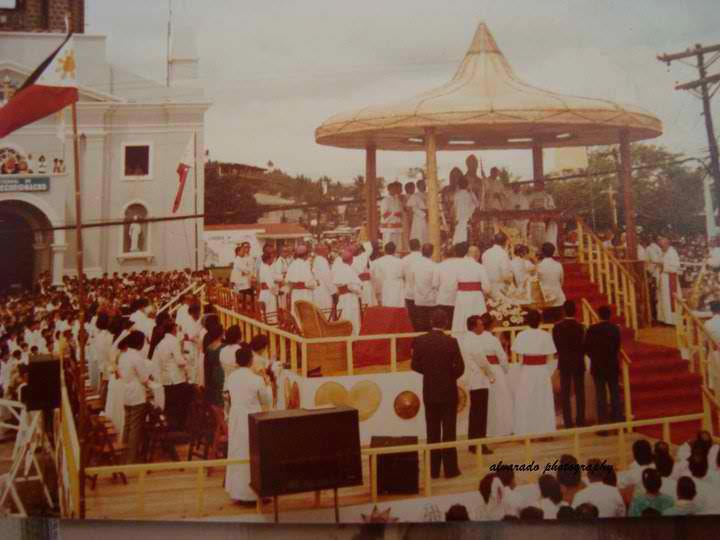
Pope John Paul II celebrating a Mass in Legazpi
Department of Trade and Industry (DTI) Department Order No. 81, created the Task Force on Bicol Regional Industrial Center.
Ibalong Festival, a non-religious festival conceptualized by then city mayor Imelda Roces to celebrate the ancient Bicolano epic “Ibalong”, was first held.
Presidential Proclamation 1249 declares a 33-hectare lot at Barangay Banquerohan as Special Economic zone (SEZ).
Pacific Mall, the first full-sized shopping mall in Bicol opens as the centerpiece of the Landco Business Park, a masterplanned business district in the heart of the city.
August 17, 2006
Cebu Pacific Air opens Legazpi-Manila route using brand-new Airbus A319 aircraft. CEB introduced its Manila-Legazpi service with a seat sale fare of only P99 one-way. The Legazpi service is CEB’s 3rd new domestic destination launched in 2006, its 11th year.
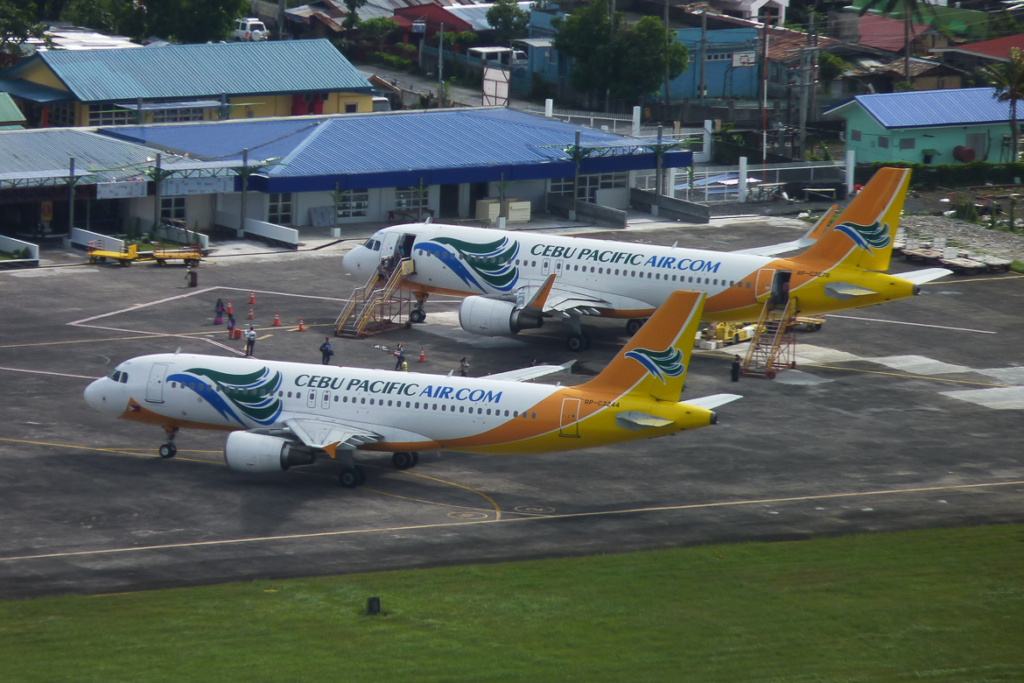
Two Cebu Pacific A320s at Legazpi Airport. Photo by Haddrian
Typhoon Durian (Reming) hits Legazpi causing massive flooding, mudslides, and casualties.
Construction of the Legazpi Boulevard, a new coastal road network, begins. The boulevard is envisioned to connect the southern barangays to the central business district, opening new frontiers for development.
2009
The Embarcadero de Legazpi is a major waterfront development featuring shops, restaurants, hotel, civic spaces, and a landmark lighthouse. The Embarcadero transformed the city’s port area.
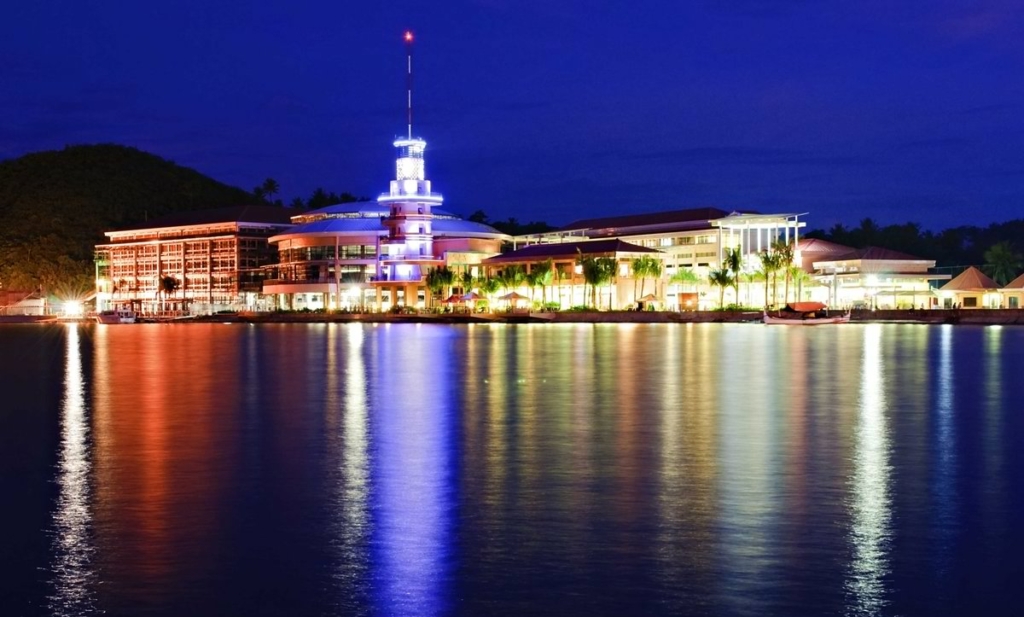
Embarcadero de Legazpi. Photo by Dacel Andes
Cebu Pacific Air opens Legaspi-Cebu route using ATR 72-500. It was subsequently discontinued but resumed in December 2017.
July 9, 2009
Legazpi Grand Central Terminal, a flagship public-private partnership program (PPP), opens. The facility features an integrated bus, jeepney, and van terminal equipped with modern amenities and shops for the traveler’s convenience.
The Oriental Legazpi is one of the city’s premier hotels and has a unique location on the slopes of Taysan hills overlooking Legazpi and Mt. Mayon. The building, which was formerly a luxury hotel in the 70s called Mayon Imperial Hotel, was extensively redesigned and modernized.
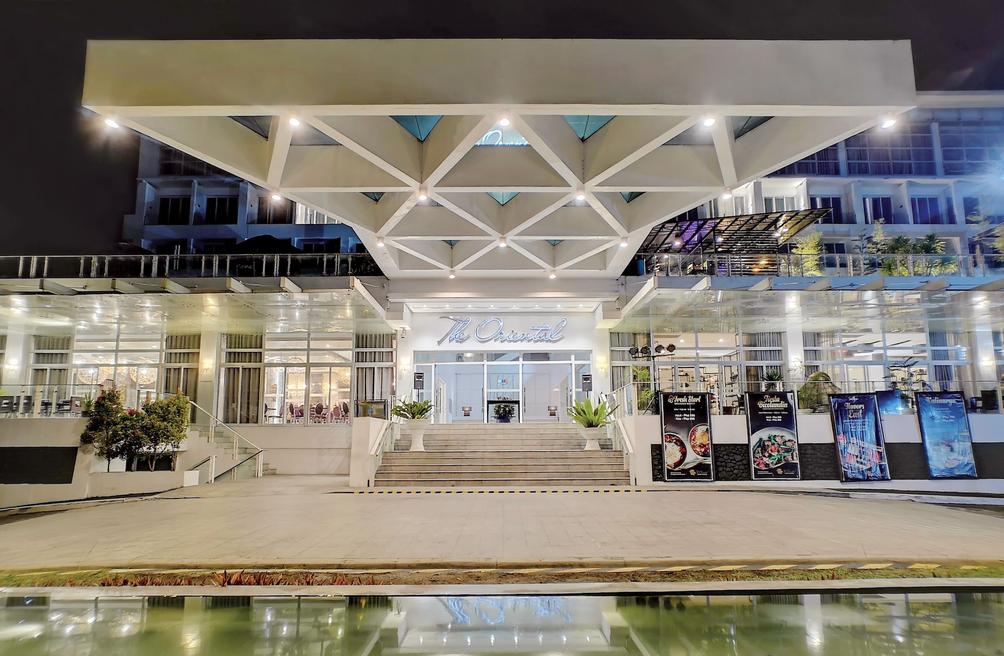
The Oriental Legazpi facade
October 10, 2010
The Amazing Race Asia in Cagraray Eco-Park Amphitheater
The 5th leg of The Amazing Race Asia Season 4 was shot in Legazpi. The episode featured Ligñon Hill, Cagsawa Ruins, Misibis Bay, and Cagraray Eco-Park. The season was eventually won by Richard Hardin & Richard Herrera.
April 2, 2011
The first Mayon 360 Ultramarathon is held. The ultramarathon is a 50-mile run around the circumference of Mt. Mayon. It is one of the city’s annual events highlighting its role as an international sports tourism destination.
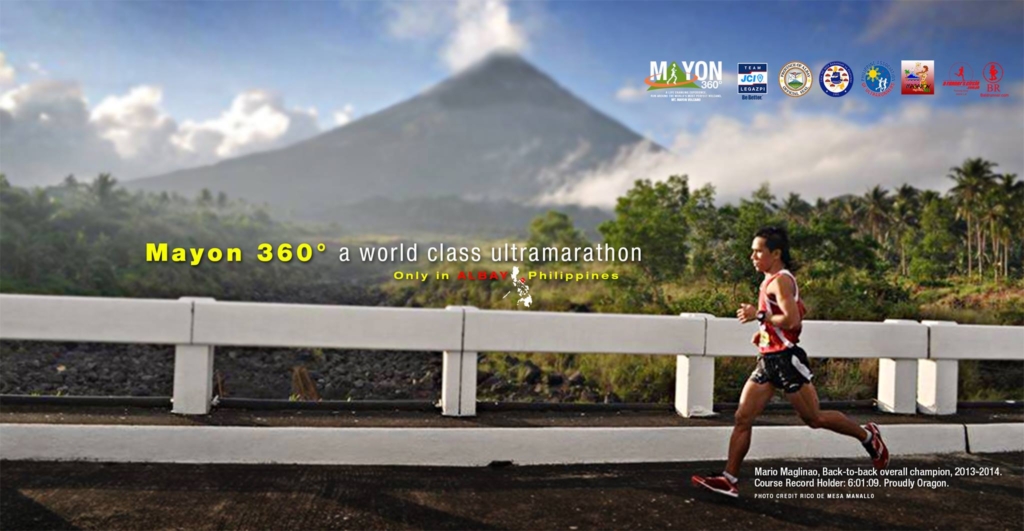
Mayon 360 Ultramarathon
The City Council of Legazpi official adopts the nickname and tagline “City of Fun and Adventure”, as per Sanggunian Resolution No.0153-2012. The former tagline was “Convention City”.
October 2012
Legazpi hosts JCI National Convention with over 1,300 attendees.The Junior Chamber International, commonly referred to as JCI, is a non-profit international non-governmental organization of young people between 18 and 40 years old. It has members in about 124 countries, and regional or national organizations in most of them.
As part of its Chinese New Year offerings, the China International Travel Services Fujian branch (Fujian CITS) inaugurated two chartered flights on January 30 and February 06, carrying a total of 285 tourists from Xiamen to Legazpi, Albay. The guests were billeted in Misibis Bay.
The JCI Legazpi Tourism Marker, a joint project of JCI Legazpi and the City Government, was unveiled by City Mayor Noel Rosal, JCI World President Shine Bhaskaran, JCI-Legazpi President Engr. Martin Reynoso, and JCI members. The new landmark will eventually become one of the most photographed sites in the city.
Mt. Mayon Triathlon is held for the first time. The triathlon is another flagship event showcasing the city’s sports tourism push. It is often called the most scenic run in the country (and also one of the most challenging).
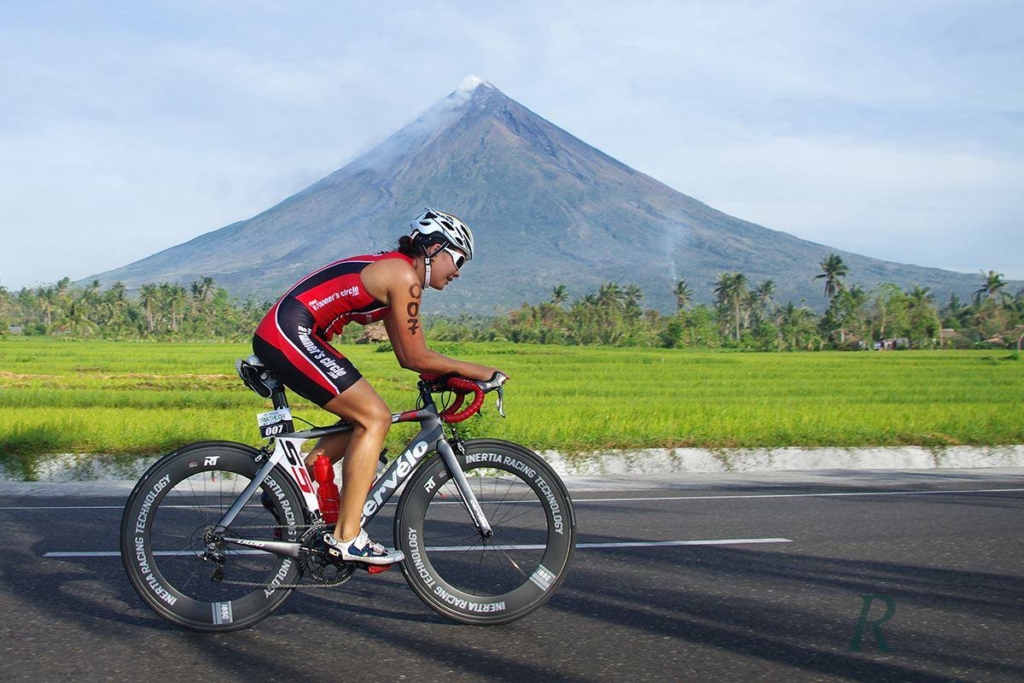
Filipina triathlete Kim Kilgroe in action at the Mt. Mayon Triathlon
Another feather in the city’s sports tourism cap, the Xterra Albay, a top triathlon event, was held for the first time on February 2015. Th eXTERRA is a series of cross triathlon races, i.e. three-sport races which include swimming, mountain biking, and trail running. The XTERRA race series is the best-known series of cross triathlons, and is considered by most to be the de facto world championship of the sport.
The finale of reality show Pinoy Big Brother was held in Legazpi City. The 2-night live broadcast was shot in Albay Astrodome and Penaranda Park Miho Nishida & Jimboy Martin were declared winners.
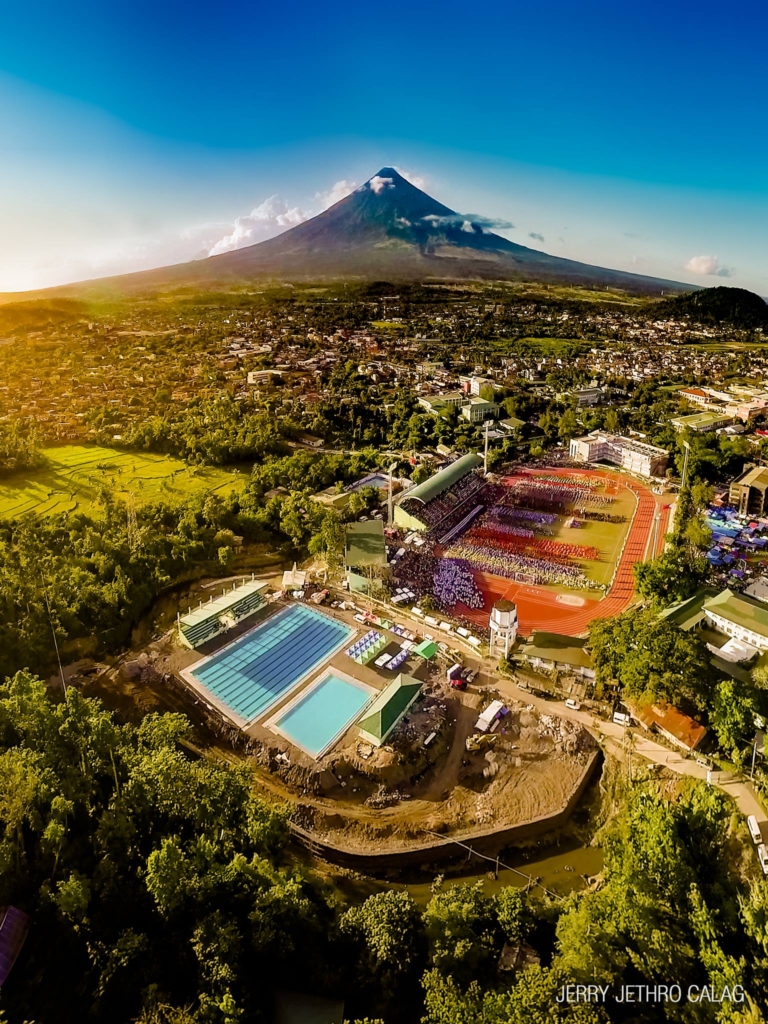
Palarong Pambansa 2016 opening ceremonies. Photo by Jerry Jethro Calag
April 2016
Legazpi, along with Daraga, Camalig, Guinobatan and Sto. Domingo hosted the Palarong Pambansa 2016. It was the 59th edition of the annual multi-sporting event for Filipino student-athletes. It was also the first Palaro where Negros Island Province competed as a newly-created region. Over 14,000 athletes from the entire country participated in the games.
The opening ceremony was held on April 10, 2016 at the Albay Sports and Tourism Complex. One of the highlights of the opening program was the grand parade of more than 14,000 student-athletes from 18 regions competing in the Palarong Pambansa. The athletes, then sang “Sulong Sa Tagumpay Atletang Pinoy” (Onward to the Victories of Filipino Athletes), the 2016 Palarong Pambansa Hymn, composed by Francisco Bulalacao, Jr.
The National Capital Region emerged as the over-all champion, winning 104 gold, 57 silver, and 48 bronze medals. The Bicol Region finished at 11th place (out of 18 regions.) with 8 gold, 5 silver, and 18 bronze medals.
April 19, 2016
Ayala Malls Legazpi formally opened. It is the first Ayala Mall in the Bicol Region. With a gross leasable area of 32,000 m2 (340,000 sq ft), the Ayala Malls Legazpi features a four-story atrium, digital cinemas, al fresco dining, lower ground parking, an organic garden on the roof deck, and the first Starbucks coffee in Legazpi. Its anchor stores are the homegrown brands LCC Supermarket and LCC Department Store.
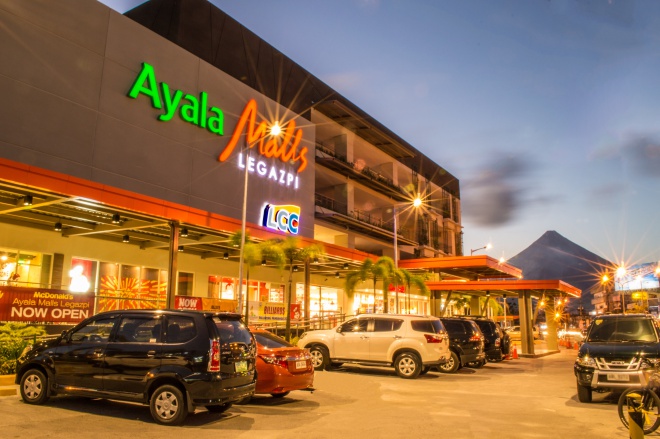
Ayala Malls Legazpi
The Legazpi Airport began operating night flights after its facilities, specifically the instrument landing system, were improved and modernized. Cebu Pacific Air is the first airline to operate night flights to and from Legazpi.
For the first time in its history, Legazpi was named the number one most competitive component city in the Philippines by the National Competitiveness Council, besting over over a hundred cities. Legazpi was also No. 1 in infrastructure development and No. 2 in economic dynamism. Legazpi’s competitiveness standing jumped from No. 3 in 2016, No. 5 in 2017.
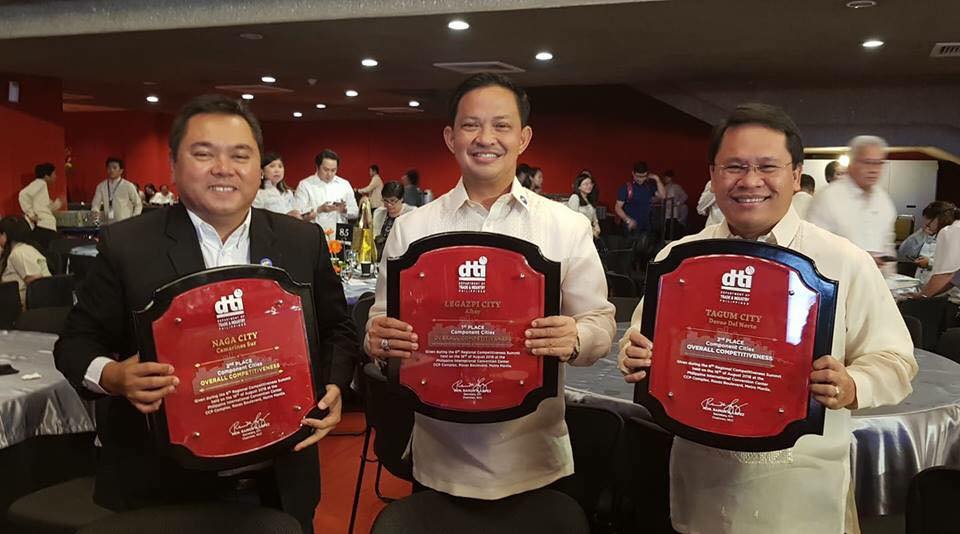
City Mayor Noel Rosal accepts the plaque for 1st Place Most Competitive Component City 2018! Other awards: 2nd place in Economic Dynamism and 1st place in Infrastructure.
September 14, 2018
SM CIty Legazpi, the largest SM mall in Bicol, opened. It is the first SM Supermall in Albay and the second in the Bicol Region. It is also the 71st SM Supermall in the Philippines.
SM City Legazpi is currently the largest mall in the Bicol Region based on gross floor area with 87,706 m2 (944,060 sq ft) of total floor space. The three-level shopping mall boasts of green architecture features and follows a z-shaped layout with provisions for natural daylight.
Mall features include a glass-walled Food Hall with outdoor balcony, often cited the most scenic food hall in the country, and an SM Prestige Lounge, both with panoramic views of Mt. Mayon.
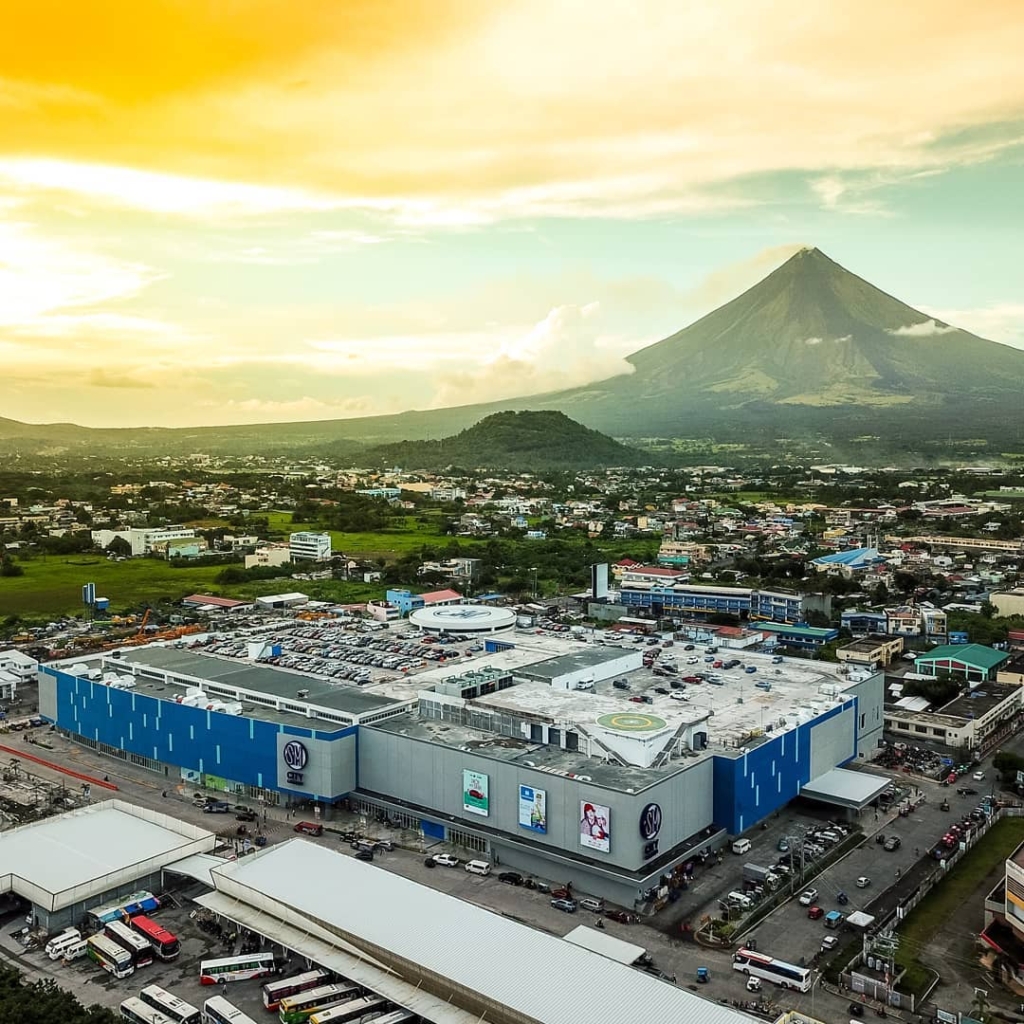
SM City Legazpi. Photo by Pinoy Travel Freak
Legazpi City is named most business-friendly city by the Philippine Chamber of Commerce and Industry (PCCI). The award highlighted the outstanding efforts of local government units (LGUs) in implementing good governance reforms to promote trade and investments, employment, transparency, accountability and efficiency in delivering business services to fuel inclusive growth in their localities.
In another first for the city, German cruise ship MS Bremen docked in Legazpi port carrying over 150 tourists onboard. The passengers toured destinations in the city and nearby towns. The MS Bremen is operated by Hapag-Lloyd Cruises.
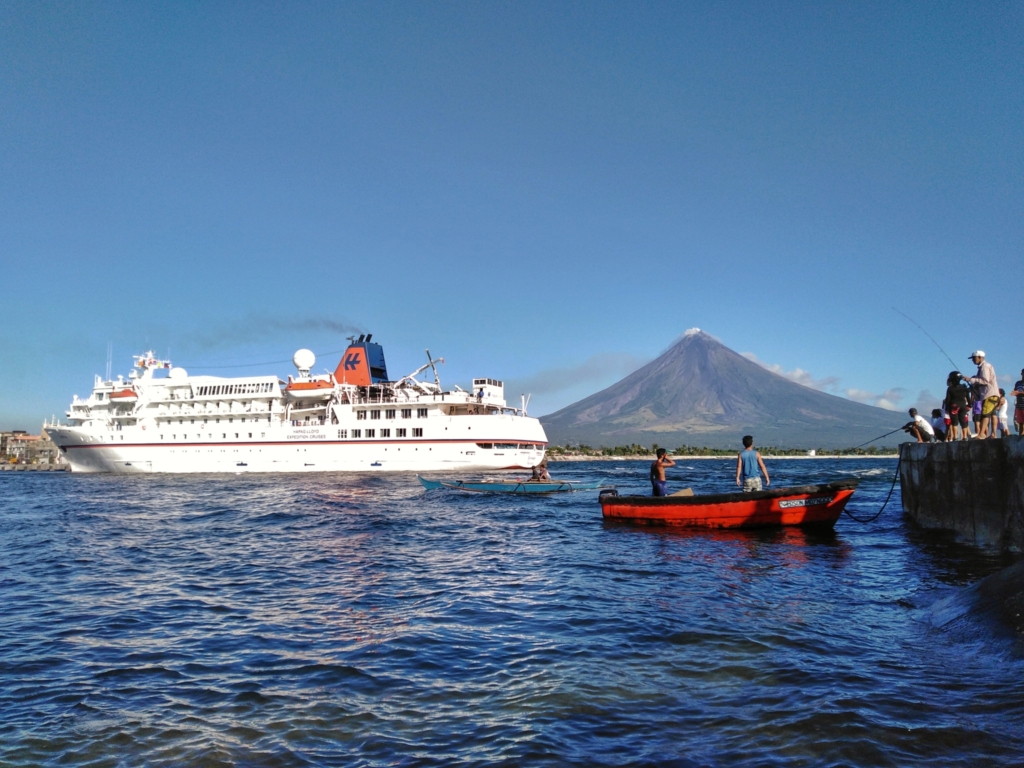
Hapag-Lloyd cruise ship MS Bremen docks in Legazpi Port. Photo by Marco Paolo Cleofe Arroyo

Museo de Legazpi logo
March 28, 2019
Museo de Legazpi opened its doors, showcasing the history, culture and arts of Legazpi City. The newly established 200 square-meter Museo de Legazpi was inaugurated on Mar. 28 at the Gregorian Mall in Albay, originally known as the Locsin Park in Old Albay. The museum features artifacts and relics from the city’s past. It also featured temporary exhibitions like the commemoration of Pope John Paul II’s visit to Legazpi and Miss Universe 2018 Catriona Gray’s national costume.
Legazpi recorded 1.27 million tourist arrivals in 2019. 240 MICE (Meetings, Incentives, Conventions and Exhibitions) events were also conducted in Legazpi in the same year.
Sources:
Mr. Abdon M. Balde Jr
Albay Tourism
John Tewell